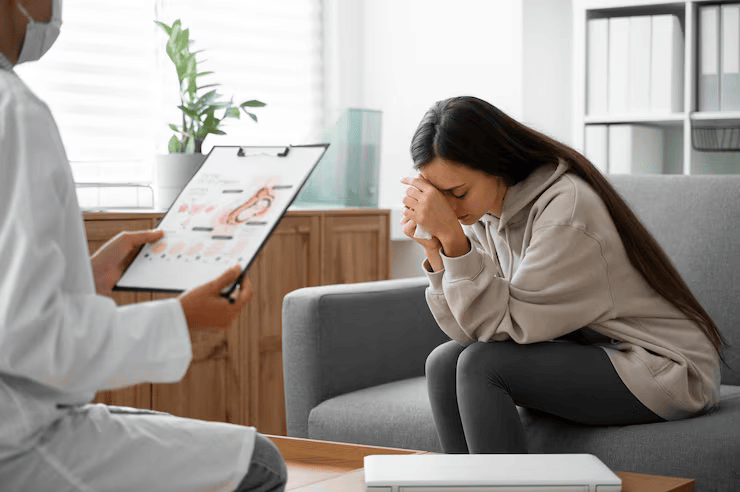
Support for Mothers in Southern California

You prepared for the baby. You didn’t prepare for this.

The crying that won’t stop sometimes yours. The guilt for not feeling how you thought you would. The fear that something is wrong with you.

If you’re in Orange County or Los Angeles and motherhood feels heavier than expected, you are not failing. Postpartum depression is common. And treatable.

Why Postpartum Depression Feels So Intense

After childbirth, the body undergoes rapid hormonal shifts. Estrogen and progesterone levels drop dramatically. Sleep deprivation compounds stress. The brain’s emotional regulation systems are under strain.

Postpartum depression is not simply sadness.

It may involve:

  • Emotional disconnection
  • Persistent anxiety
  • Intrusive thoughts
  • Irritability
  • Overwhelm
  • Difficulty bonding

For some women, traditional antidepressants take weeks to work — and that waiting period can feel unbearable.

A Different Approach When Time Feels Urgent

Infusion therapies such as ketamine interact with glutamate systems in the brain and may support faster neurochemical shifts than traditional oral antidepressants.

Some mothers in Southern California report:

  • Emotional clarity returning sooner
  • Reduced intrusive thoughts
  • Improved mood stability
  • Greater ability to rest

Treatment is always medically evaluated, especially during the postpartum period.

Treatment Process

1

Assessment

A comprehensive medical and mental health evaluation is performed to understand symptoms, medical history, and treatment goals.

2

Treatment

Personalized therapy is administered in a calm, medically supervised environment designed for patient comfort and safety.

3

Observation

Patients are monitored during and after treatment to ensure well-being and address any immediate concerns.

4

Ongoing Care

Follow-up care and treatment adjustments are provided as needed, with appropriate care coordination.

Your Safety Comes First

Before recommending treatment, we evaluate:

  • Postpartum recovery status
  • Breastfeeding considerations
  • Current medications
  • Overall health

Care is individualized. No rushed decisions. No pressure.

We serve mothers across Orange County and Los Angeles seeking compassionate, structured support.

Most Common Questions

Is infusion therapy safe after childbirth?

Safety depends on individual health factors. Before treatment begins, we conduct a comprehensive medical review including delivery history, recovery status, and current medications. When administered in a medically supervised Southern California clinic, infusion therapy may be appropriate for certain postpartum patients.


Can I receive treatment while breastfeeding?

Breastfeeding considerations are discussed individually. Some mothers may adjust feeding schedules temporarily. We provide guidance based on current clinical understanding and your specific circumstances.

How quickly can postpartum symptoms improve?

Some patients report noticeable mood shifts within days. Others experience gradual improvement across several treatments. Postpartum depression can feel urgent, which is one reason some mothers explore infusion therapy.

How is postpartum depression different from “baby blues”?

“Baby blues” typically resolve within two weeks after childbirth. Postpartum depression is more persistent and may include severe mood shifts, anxiety, or intrusive thoughts. Proper evaluation is essential.

Is this a replacement for therapy?

Not necessarily. Many mothers continue therapy or OB/GYN care while undergoing infusion treatment. Care can be integrated.

Will treatment affect my ability to care for my baby?

You may need support or transportation on treatment days. Most sessions are outpatient and structured. We discuss practical planning during consultation.

What is postpartum depression?

Postpartum depression is a mood disorder that can develop during pregnancy or after childbirth, characterized by persistent sadness, anxiety, and emotional distress that interferes with daily life.

How is postpartum depression different from the baby blues?

The baby blues are mild and usually resolve within two weeks. Postpartum depression symptoms are more intense, last longer, and often require medical support.

Is postpartum depression treatment available near me?

Yes. SoCal Infusions serves mothers across Orange County and Los Angeles seeking advanced postpartum depression treatment.

How soon can treatment help?

Many patients notice improvement within days to weeks, though response time varies depending on the treatment plan and individual factors.

Are treatments safe while breastfeeding?

Safety is a top priority. All treatment options are reviewed carefully to ensure they are appropriate for postpartum and breastfeeding patients.

You Deserve Support — Not Silence

If motherhood feels overwhelming in a way you didn’t expect, you don’t have to hide it. We’re here to talk through options.